Best Time to Go
Mid-May – mid-October (Fort Wilkins Historic State Park)
Fort Wilkins opens for the season around May 15 and runs to mid-October, 8:30am to dusk daily. Outside that window the grounds are still accessible, but the fort's living-history programming and staffed buildings are closed.
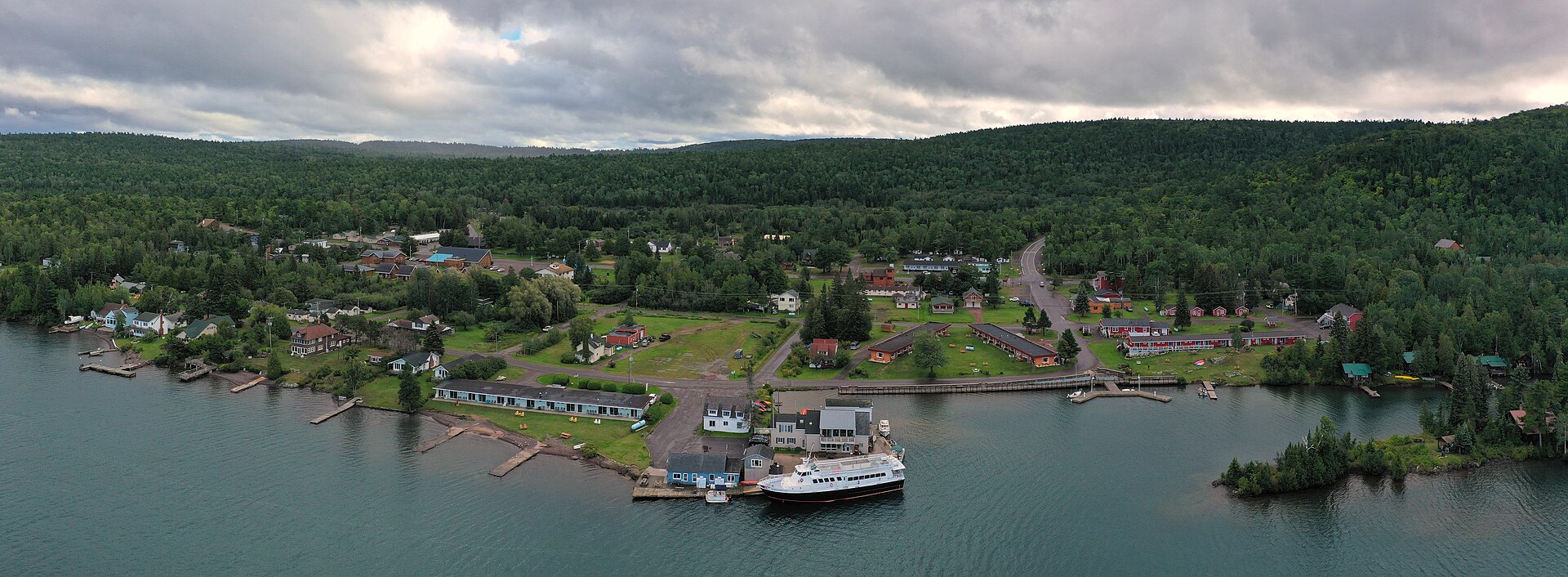
Drive as far north as Michigan roads will take you and you arrive in Copper Harbor, a village of roughly a hundred year-round residents sitting at the literal tip of the Keweenaw Peninsula, closer to Canada than to most of the Lower Peninsula. It was a copper boomtown once; today it survives on a mixture of Lake Superior scenery, world-class mountain biking, and a stubborn remoteness that has kept it from ever quite becoming crowded.
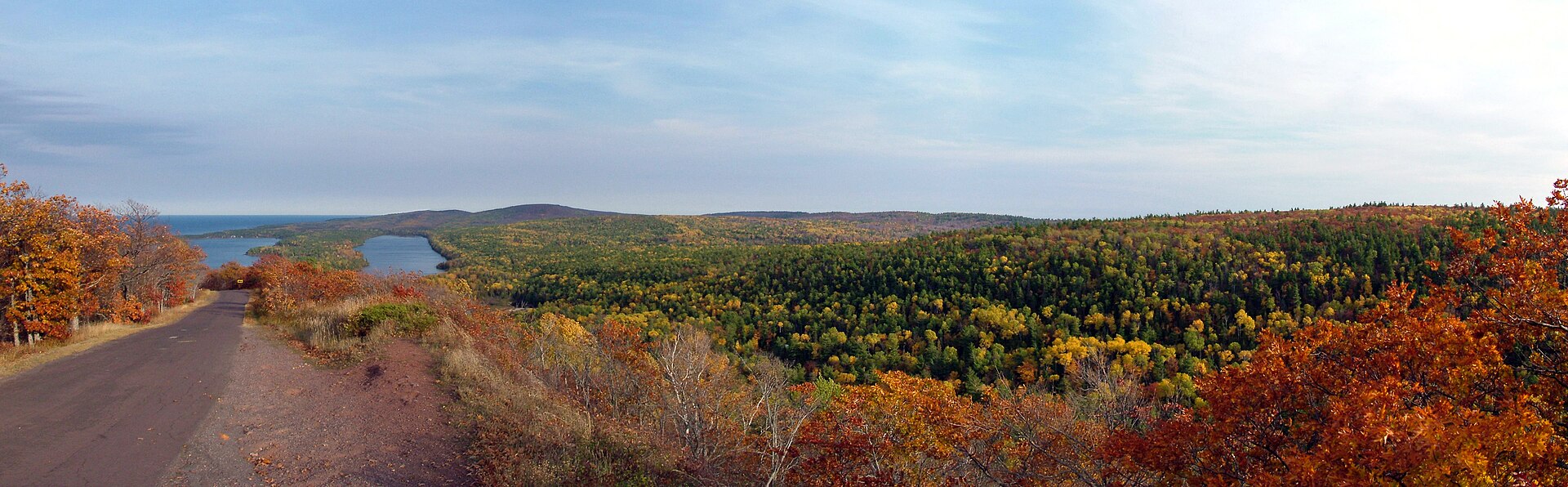
Brockway Mountain Drive
Brockway Mountain Drive climbs to roughly 1,320 feet above Lake Superior, and the Michigan Department of Transportation has long billed it as the highest paved road between the Rockies and the Alleghenies — a claim of debatable precision but undeniable scenic merit. The overlook at its summit surveys open water in three directions and has become a favored spot for watching raptor migrations each fall, as hawks and eagles ride thermals along the ridge rather than crossing open water.
A Mountain Biking Destination
Copper Harbor has quietly become one of the Midwest's premier mountain biking destinations, its trail network built into exposed volcanic rock left behind by the same geological forces that once made this peninsula the world's richest source of pure native copper. The Flow Trail and its neighbors draw riders from well outside Michigan, transforming a town whose economy once depended entirely on ore extraction into one increasingly sustained by knobby tires and trailhead parking fees.
Fort Wilkins Historic State Park, a restored 1844 military outpost built to keep peace during the copper rush, sits at the harbor's edge and offers a quieter counterpoint to the trail crowds — costumed interpreters and original log buildings standing in for the frontier military presence that briefly justified the fort's existence.
Isle Royale's Mainland Gateway
The Isle Royale Queen IV departs from Copper Harbor's small harbor for Isle Royale National Park, a roadless wilderness island in Lake Superior accessible only by boat or seaplane, making Copper Harbor the practical staging point for one of the least-visited national parks in the contiguous United States.